
This article will be a bit shorter than usual and also covers a topic that I personally have not touched upon for the blog. However, this article will be part of my new book project, and I thought it would be fair to give everyone a chance to leave feedback on the article in case I missed anything. I have always said that I am not a fantastic deckbuilder, and I net decks more often than create something new. But over the years, I have made my fair share of popular decks and feel qualified enough to do an article on the basics of deckbuilding. This article will probably need to be condensed for the book, but the basic principles of deckbuilding are important to understand before you start a book, talking about the different traits and mechanics you can include in your deck. This new book is not out yet; a separate article will announce the completion towards December/January. This will include links to where you can get your copy.
The deck of player cards you bring to the table is an important aspect of this game. Not every deck is suitable for every quest, and there are various ways to improve the functionality of your deck to stand a better chance against certain scenarios. Over the last 6 years, I have tried to give a comprehensive guide to each individual scenario in the game. While some of the Saga and Nightmare quests are still ongoing, I want to approach deckbuilding from a different perspective. We will cover the basics of how a deck is built and what common pitfalls you can avoid to stand a better chance against this game!
Conceptual design

Every deck begins with an idea. What do you want your deck to do? Answers can vary from “Supporting my fellow players with Sentinel defenses” to “Beat every quest in the game!”. That last one might be a bit too far for this guide, but take a minute to think about what sort of deck you want to create. Perhaps there is a mechanic you want to try, like Secrecy or Doomed. Perhaps you found a card in your collection that you want to make work. This initial concept of the deck is important to keep in the back of your head, as it will guide your building process. Some questions to consider at this stage are:
- Do I want to make a solo or multiplayer deck?
- What is the main sphere for my deck?
- Is there a trait, contract, or mechanic that would work well with my concept?
- What will the weaknesses of my deck be? (You don’t have to solve this problem yet)
- What quest do I want to be able to beat with this deck?
- Do you care about theme in your deck?
With an answer to most of these questions ready, you can start to include the first cards in your deck. You don’t need an answer to all the questions yet but go back to this list later in your process to see if there is anything you need to consider.
Heroes
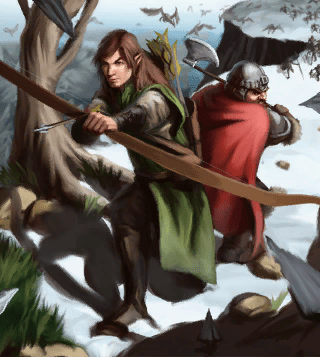
There are people who start with the next phase before they select heroes, but I personally find it nice to have at least 1 or 2 heroes locked in so that I can start adding cards to the deck already. If you know your entire lineup already, then that’s great. Thematic decks often start out with a hero lineup as a concept and work from there.
The basics for your hero selection is that you have the option to select up to 3 heroes. Contracts play around with this a bit, limiting you to 1 (Grey Wanderer), 2 (At the End of All Things), or even allowing up to 4 starting heroes (Bond of Friendship). For normal decks, stick to 3 heroes. The only exception for this would be decks that are looking to play around with Secrecy. They can sometimes start with 2 heroes, but it will always be in your best interest to start with 3. Even if you only want 2 heroes, select Folco Boffin, use his one resource during turn 1, and then discard him for -1 starting threat. That’s a better start than just 2 heroes. Fewer starting heroes also means a lack of early action advantage. You either have to look into ways to ready your heroes or to bring out a lot of allies.
If you are building a deck to play solo, you will need to cover three basics: Questing, Defending, and Attacking. Your heroes will have to do this in the early game until you can get your deck rolling. Luckily, you have 3 hero slots, so you can pick one hero per competence. Having a hero lineup of Eowyn (questing), Beregond (defending), and Legolas (attacking) can be a great way to start the game. You have 4 willpower to overcome the cards that start in the staging area, you have a defender against an early enemy, and you can hit that enemy back if you want to. But there is not a lot of flexibility with this lineup. Eowyn will always be your main quester, but if she is killed by one too many Necromancer’s Reaches, your other heroes cannot pick up her role. Hopefully, you have some allies to step in, but you are running a risk at that point.
That’s why a more diverse lineup of heroes can often be better suited for quests. Having 2 or 3 for 2 different stats means that your heroes can cover each other’s competencies in case one is killed or otherwise engaged. This is where heroes with a 2/2/2 statline come in useful, though usually only to fill that third hero slot. They are rarely the focus of your deck.
Another thing to keep in mind when selecting your heroes is their threat cost. Sure, you can include Gandalf, Elrond, and Galadriel in the same deck for an “Elven Rings of Power” theme, and it will probably do quite well. But the problem is that you will start with 36 threat, well above the engagement cost of most enemies and only 14 threat from elimination. If you go for a high-risk – high-reward style deck, you will need to come up with solutions on how to lower your threat and how to deal with strong enemies engaging you early. Instead, your deck should start between 26-32 threat, depending a bit on the scenario. Some quests, like Journey Along the Anduin, will throw a big enemy at you if you start at 30 threat or higher. If you know this is coming, prepare your deck beforehand. If you don’t know this is coming… well, you learned something new today.
The following questions should help to make sure you pick the right heroes for your deck:
- Do I have a thematic lineup that I want to try?
- How will I deal with the first quest phase if I only have my heroes?
- Can I handle an enemy’s attack on turn 1 with just my heroes?
- What will my starting threat be? Is that going to be a problem with the quest?
As I mentioned, you ideally pick the majority of your heroes at this point. If you happen to have an open hero slot and you can’t decide who to include, you can come back to that later. You might need a third sphere for your deck or a hero who can support your deck by generating resources or drawing you extra cards. I have an older article on what heroes are decent to add to your deck without needing to spend a lot of deck space on them.
Selecting cards

Now comes the biggest part of deckbuilding: constructing the actual deck itself. This might seem the most daunting part of the process, but it is actually quite fun to do. The approach to this will depend on the sort of deck you are building. Some contracts lock you out of specific card types (Burglar’s Turn = no attachments in your deck, Fellowship = no non-unique allies, etc). If you are doing this process digitally, it will help to set some filters on the sort of cards you want to exclude. If you lack a sphere match, for example, you don’t have to consider those cards, and it will make your selection process a little easier. If you build a deck physically, it helps to have a good overview of your cards available so that you can easily scan your options. This is why I prefer to store my cards in binders instead of in boxes, but opinions are split on that, of course.
Contracts
I will exclude contracts from this section of the article, since I believe you should have selected a contract during the conceptual design part of your deck. It often impacts the cards (and heroes) you can select for your deck, so including it later on in the process will make it harder to focus on what sort of deck you are building, and you may have to remove some cards halfway through the process. That’s not to say that you can’t include a contract later in your design. If you find that you have next-to-no attachments, for example, you can simply include Burglar’s Turn into your deck, remove those attachments (hopefully to your treasure deck), and then fill out the treasure deck with some generic goodies. Those Guarded attachments are a great fit in any deck if you can get them for free, and they are also great to pass around the table during multiplayer games.
Allies

With your collection laid out before you, you can begin selecting the cards you want to use. The first ones will be the easiest, as you will likely have considered the sort of deck you want to build. If it is centered around a particular trait, then taking a portion of the allies with that trait and putting it in your deck seems like a good way to start. Don’t worry about having too many cards in your deck; we’ll address that concern later.
For allies, you have to consider what role they will play in your deck that your heroes can’t fill. If you’ve gone for a more combat-focused lineup of heroes, you will need some cheap questers for your allies. Depending on your deck, this can be something like an Escort from Edoras, Silvan Refugee, Eagle Emissary, or many others. You can also get your willpower from attachments, but that usually requires some more setup that will pay off once your deck gets going in the midgame. Allies like Leadership Faramir also fall in that category.
If you are lacking early combat capabilities, ensure you bring some defenders to your deck. They take priority over attackers since undefended attacks will cause you to lose heroes early on. Having a lot of enemies engaged because you can’t kill them is also a concern, but at least you can survive for a little while longer without attackers than without defenders. Depending on the quest, you can bring in chump-blockers, who will die easily but have already proven their worth when being put into play. The classic Snowbourn Scout is a good example of this since he won’t do much after you’ve played him and gotten his point of progress. If the quest punishes you for chump-blocking, then slightly more expensive but more durable defenders can also be included. Defender of Rammas and Winged Guardian are great early-game options while you build up your defender hero with attachments or save towards an ally like Jubayr or Defender of Cair Andros. Bring enough of these defensive options so that you can be sure you draw them early on.
As for attackers, you can often save up in the early game for some heavy hitters and rely on the combination of weaker allies and some hero’s base stats to kill a few enemies early on. This means that you don’t necessarily need dedicated attacking allies in the early game, though there are plenty of exceptions. Quests that start you engaged with an enemy or that require Battle-questing will demand an early boost of attack power. Tactics will have the best solutions for this problem, but you can also look to offensive attachments to boost the stats of your heroes. Traits like Gondor, Dwarves, and Silvan can also rely on their Leadership heroes to provide an attack boost to allies early on, which is a big help.
There are a lot more allies that you could include in your deck to fill a particular niche. This could be related to game mechanics like card draw (Gleowine), healing (Warden of Healing), resource generation (Halfast Gamgee), or threat reduction (Spirit Elfhelm). You can also include ways to manipulate your own deck for a bit of optimization. Galadriel and Imladris Stargazer let you rearrange the top 4-5 cards of your deck, and allies like Master of the Forge can get you the attachments you need a lot sooner! These utility allies are powerful tools, not for their stats, but for their abilities. You can help your deck a lot by making use of their abilities to round out any suspected flaws with the rest of your card selection. They aren’t the focus of your deck though, and often act more like splashable cards for your deck.
Events
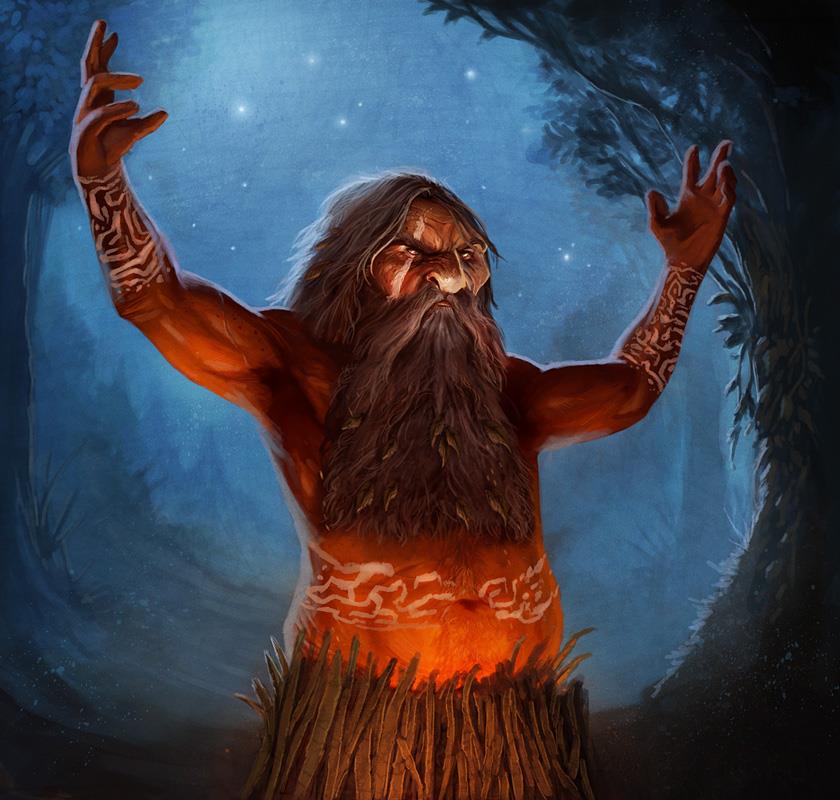
I tend to use events like glue for my deck, fixing issues with the deck’s consistency and ensuring I have an answer for some one-time situations, like needing to cancel a shadow effect. There are, of course, also decks that involve far more events. Silvans need them to return to your hand, and Noldor has an archetype surrounding having copies of events in your discard pile. If you decide to play a Doomed deck, then it is totally possible to have even more events in your deck since that’s the focus of that archetype. So, there is no shame in having 15-20 events in your deck. The problem with events is that they rarely add anything permanent to the table. They instead make the other part of your deck work a lot better, such as providing card draw.
The benefit of events is that you can replay them. That means it is not always necessary to include 3 copies of each event in your deck. Decks using the Council of the Wise contract are even forced to have only a single copy of each card in their deck. To replay events, you can use the Record attachments, which will put them back into your deck as well, giving you another use down the road. You can also use effects that return cards to your hand, such as Dwarven Tomb, or to your deck, like Will of the West. This allows you to get more use out of your events, even if you only included 2 copies in your deck.
Each sphere will have staple events that you can choose to include, but this all really depends on the sort of deck you are building. I cannot give a recipe of events that all decks should include, so flip through your collection and see if there is anything fun you want to try for yourself.
Attachments
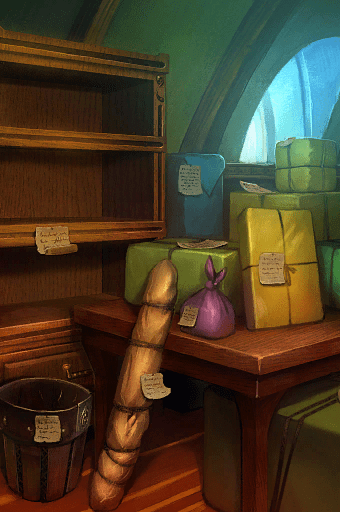
Attachments are important parts of your deck, as they help to improve the heroes you start with, as well as the allies you are bringing as well. Especially for Dale decks, you will find yourself adding plenty of attachments for your characters. Depending on the traits in your deck, there will be some staples that are worth including. You can, of course, choose to ignore these attachments, but it will be hard to compensate for the power that they bring to your deck. Do note that some attachments might be unique, so if you are planning to play a multiplayer game, it pays to communicate your desired attachments beforehand. This is also true for heroes and allies, but I find that attachments are often forgotten in that discussion. And suddenly, you find yourself with two Dwarf decks competing for Legacy of Durin and King under the Mountain…
Attachments enhance your characters, so if you are only bringing attachments for heroes, you will have to search for attachments that complement their strengths the best. Good questers could use more willpower but also benefit from cards like Windfola that protect them from being removed from the quest. Attackers will benefit from having weapons to deal more damage, and defenders need to boost their defence and hitpoints in order to stay alive. This is often pretty basic, but can help to make your heroes far more efficient. Generic heroes that you included mostly for their ability often receive the short end of the stick when it comes to attachments. But you could include readying attachments for them, giving you their ability as well as their stats. These stats can then be molded with other attachments to give you extra support in certain aspects of the game.
While there are a ton of attachments that don’t fit the description of supporting your heroes with their tasks, it can still be worth including them. Trap decks are a weird alternative to the regular attachments in your deck since you can play these attachments on the table to trap enemies. This does come at the cost of deck space, so you will have to balance this out by reducing the number of attachments you have for your own characters or by lowering the number of allies/events you have. It’s a tricky balance, but attachments are helped in this regard by being able to be brought back from the discard pile via various effects. Reforged, Second Breakfast, and Erebor Hammersmith can recur these attachments so that you don’t have to include 3 copies constantly. Attachments can also be found in your deck more easily through utility allies like the Master of the Forge or Haleth.
Side-quests

Unless you are making a side-quest deck with Thurindir and all of his toys, there is little reason to include more than 2 side-quests in your deck. Some quests do allow you to explore these, either because the main quest cards don’t require progress or you progress in another fashion through the stages. Side-quests come in two flavors: You either get a one-time buff (such as lowering your threat by 5 or getting to search your deck for a particular card), or a new rule is added to the game to make your life a little easier. These side-quests originate from the Haradrim cycle and can range from +1 willpower to all heroes to being able to play the first ally each turn without a sphere match. Some of these side-quests are really useful for particular decks. The Storm Comes is useful for tri-/quad- sphere decks to be able to play their allies a little easier. Other ones, like Prepare for Battle, are more useful if you don’t have good card draw options in your deck and are playing either solo or 2-player so that you can ensure the side-quest draws you enough cards during the game.
These cards are optional, but if you find yourself facing a quest where players are free to explore these side-quests, throw a couple of them in. They have a big impact on your game if you explore them early on. Don’t include 4 or more unless you are sure that you can explore them all during your game and are building around a side-quest deck.
In the end, there is no one way to select all the cards you need. There is also not a single distribution of cards that you need to consider. It all depends on the style of deck you are bringing. I could argue that 50% of your deck should be allies, but that’s not true for all archetypes. Some require more, some require less. A deck with the Forth, the Three Hunters contract can’t even have any allies! So, it is hard to put a good framework together for what a deck needs. Throw something together based on what you feel is missing, and you’ll eventually discover if you need to make changes. Nothing wrong with that.
Some important things to note though, mostly about the balance of your deck. It is important to keep the cost of your deck evenly spread. If you are including a lot of cards that cost 3+ resources, find ways to reduce the cost, spread the cost over multiple heroes (for example by giving sphere icons to them via the neutral Song attachments), or reconsider including the cards. It is hard to afford something like a Soldier of Erebor, if you only have a single Leadership hero. Most of your cards should cost only 0-1-2 resources, with only a small part being more expensive. Only if you are playing mono-sphere decks, will you get away with having a cost-curve centered more on 3-4 cost cards, as you will be generating (at least) 3 resources of that sphere per turn.
Another thing to consider is that a normal game of LOTR LCG takes no more than 10 turns. Counting your opening hand of 6 cards to this, you have 16 cards of your deck to look at if you do not include any card draw. This is tricky, and you will probably need to find reliable sources of card draw to ensure you find the cards you need, and to draw a larger percentage of your deck. Every archetype has a way to draw some more cards, or to search your deck for specific cards. These utility cards are great value for the deckspace that they take up.
Cutting cards

In an optimized deck, you have 50 cards and enough ways to get the ones you are looking for. 50 cards is the minimum amount set by the rules, though if you are just starting with the game, you might not have enough cards to include to get to 50. In that case, 30-35 cards is fine, but swap to 50 once your collection grows enough. If you’ve followed the steps up to this point, you will likely have a pretty big pile of cards sitting in front of you. While you could sleeve it all and call your deck finished, it’s not really statistically optimal. In a 60-card deck, you will have lower chances of finding the attachment you are searching for than in a 50-card deck. So, it is important to cut some cards in order to have the best chance of getting your combo together.
An important thing to note before you cut your deck, is that there is also another option. If you find yourself loving 80 cards in your deck and you can’t really cut that down too much, you have two options besides cutting your deck down to 50. First, you could try making two decks out of this and then play two-handed. That way, you will get to play with all the cards in your deck and perhaps get some nice cross-play between the two decks. This will require a reset to select some more heroes, but making a fellowship of decks can be a fun alternative to playing the deck you wanted to make in the first place! The other option is to accept your 80-card deck and play with the Perilous Voyage contract. This sets the minimum of cards in your deck to 100, so you have to even add 20 more cards! This contract will hinder your threat reduction, so remove any cards that lower your threat from this deck and replace them with something new. This strategy will be more dangerous against longer quests, as you run the risk of threatening out.
If you do want to cut down from the pile of cards you selected to 50 cards, then the easiest thing to do is to flip through the pile and check if you didn’t accidentally add two different solutions to the same problem. If you included events to cancel enemy attacks but also allies that do the same thing, you might want to ask yourself if it is really necessary to have so many attack cancellations in the same deck. If you want both options, then maybe cutting it down to 2 cards of each would help you trim down the deck a little.
Another way to reduce the number of cards in your pile would be to remove the third copy of certain cards in your deck. Especially unique cards, since you can only have a single copy in play at one time. Unless you are really hoping to see that card in your opening hand and you have a way to discard additional copies to something like Arwen or Spirit Eowyn, having 2 copies in your deck is usually sufficient, especially with enough card draw. If you also have ways to dig through your deck faster, with things like Mirror of Galadriel or Gather Information, you might just want to keep it to 1 copy of the card.
Cutting the final cards from 55 down to 50 is always the most difficult. I would suggest picking 5 cards and putting them in the side-board instead. That way, you can swap them in if you think you really do need to include them. Perhaps you only need some for particular quests, so leaving them in the side-board is a good alternative for your second attempt if the deck didn’t cut it at first.
One final tip during this section is that I often run decks of 51 cards instead of 50. I always include a single copy of a card I don’t play very often, but could be a fun way to shake up the game. This rarely sees play but is fun to bring to the table, especially in multiplayer. This is, of course, optional, but adding that 1 card to your deck doesn’t mess with the statistics too much, and the 50-card limit doesn’t mean you can’t go beyond it. There are plenty of decks going up to 55-57 cards just because they have the card draw to guarantee they’ll see every card before the end of the game. If you run Noldor decks especially, there is no harm in staying above 50 cards for your deck.
Playtesting your deck
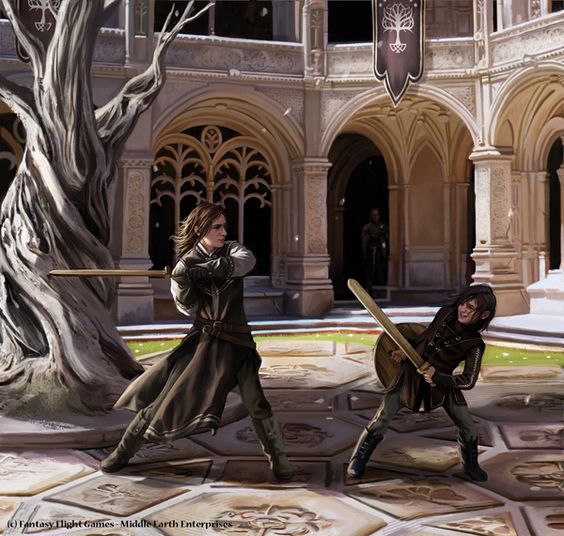
With your deck now finished, it is time to test it against some quests to see if you need to tweak some things. There’s no teacher like failure, so don’t worry if you don’t make it past turn 3 against a quest. Check what went wrong, and think about whether or not it can be resolved by your deck on its own or if you need to include some cards to prevent it from happening. It can also sometimes be bad luck. The encounter decks often have their own combos that even published decks cannot handle early on.
A common question is: “Which quests are best to playtest against?”. This often depends a bit on the type of deck you’ve made. A mono-spirit deck that bursts willpower will do much better against The Long Dark than against The Seventh Level, for example. You can find a detailed list of playtesting quests in this article.
In short, here are some suggestions:
- Journey Along the Anduin
- Into the Pit
- The Mumakil
- The Drowned Ruins
- Foundations of Stone
- Journey Up the Anduin
- The Treachery of Rhudaur
- Escape from Umbar
- Journey in the Dark
- The Oath + The Caves of Nibin-Dum
This should give you a good baseline of what quests your deck can beat and where it might struggle a bit. If you’ve built a deck specifically to beat a certain scenario, then you can just throw it against that quest and see how you do!
You will likely have to come back to this step several times before you are happy with the final result. It is good to vary your decktesting quests a little so you can see your deck from different angles. Some quests have a bit more pressure in the early game, while others give you the time to set up and get your combos going. Alternate your quests a bit, and you’ll be ready to take on harder quests!
Publishing your deck

This is an optional step, but if you are happy with the performance of your deck, why not share it with the rest of the world? Go to RingsDB and recreate your deck there. Think of either a funny or a descriptive name for your deck. I do always appreciate it when the description of a deck goes through the thought process that went into the deck and why some cards are included. If you have tested your deck against several quests, share some insights on what that taught you about the deck. Once published, be open to receive some feedback from others. Remember that you can always change the deck and publish a second version if people give you some good tips on cards you may have overlooked!

I hope this article has helped you gain a better understanding of deckbuilding. It can be difficult to put a process like this into words, but I feel like I have done my best to describe my own process. This can vary per player, and you might do things in a different order. There is no one way to build a proper deck, and various other creators have shared their thought processes behind some decks in blog posts or in the description of their decks. The most important thing is to just try making your deck, and learn from where it went wrong. This game is hard, and your deck won’t be perfect against every quest, and that’s okay. You can just make a different deck that tries to overcome the obstacles that the first couldn’t deal with. Maybe play the two side-by-side and make it through that obstacle two-handed! The possibilities are endless.
 Vision Of The Palantir
One thought on “Deckbuilding principles”